Laboratary
Arts Faculty Labs
-
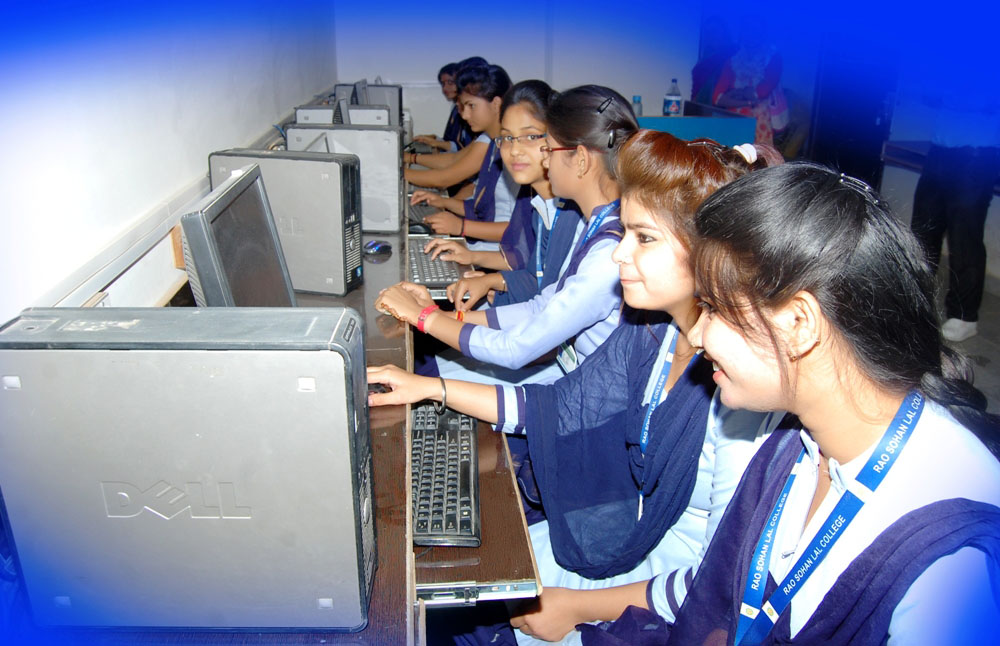
Computer Lab. : A computer lab is a space which provides computer services to a defined community. Computer labs are typically provided by libraries to the public, by academic institutions to students who attend the institution, or by other institutions to the public or to people affiliated with that institution. Users typically must follow a certain user policy to retain access to the computers. This generally consists of the user not engaging in illegal activities or attempting to circumvent any security or content-control software while using the computers. In public settings, computer lab users are often subject to time limits, in order to allow more people a chance to use the lab, whereas in other institutions, computer access typically requires valid personal login credentials, which may also allow the institution to track the user's activities. Computers in computer labs are typically equipped with internet access, while scanners and printers may augment the lab setup. Computers in computer labs are typically arranged either in rows, so that every workstation has a similar view of one end of the room to facilitate lecturing or presentations, or in clusters, to facilitate small group work. In some cases, generally in academic institutions, student laptops or laptop carts take the place of dedicated computer labs, although computer labs still have a place in applications requiring special software or hardware not practically implementable in personal computers.
Geography Lab.

Home Science Lab.

2. Science Faculty Labs
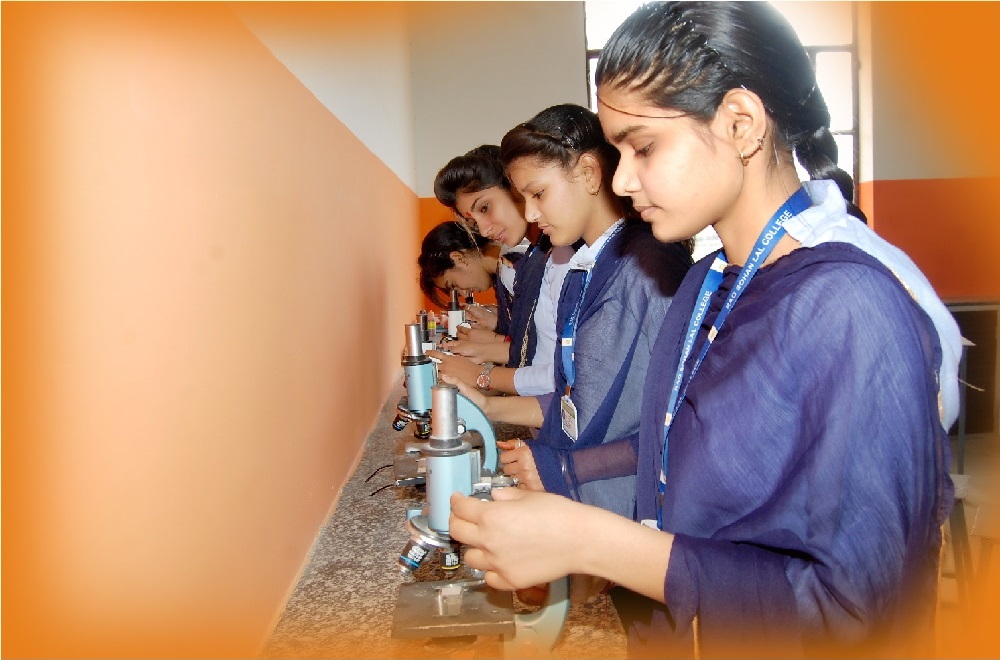
Physics Lab: In physics class, lab is central. Integral. Sacred. More than a mere place in the back of the classroom,the laboratory is the place where physics students do physics. It is in the laboratory that physics students learn to practice the activities of scientists - asking questions, performing procedures, collecting data, analyzing data, answering questions, and thinking of new questions to explore. The lab ideas and associated pages in the laboratory section of this web site are designed to help teachers improve their lab programs by adopting labs with a purpose. There are over 150 lab ideas presented here - but their presentation is much different than the traditional presentation of a lab. The traditional lab comes with a lengthy procedure which dominates the landscape - both the landscape of the distributed paper as well as the landscape of the student mind. The laboratory attempts to change all this by presenting students with a Purpose, and primarily a Purpose. In the pages at the laboratory, you will find labs with a purpose.

Chemistry Lab.
Laboratories used for scientific research take many forms because of the differing requirements of specialists in the various fields of science and engineering. A physics laboratory might contain a particle accelerator or vacuum chamber, while a metallurgy laboratory could have apparatus for casting or refining metals or for testing their strength. A chemist orbiologist might use awet laboratory, while apsychologist's laboratory might be a room with one-way mirrors and hidden cameras in which to observe behavior. In some laboratories, such as those commonly used by computer scientists, computers (sometimes supercomputers) are used for either simulations or the analysis of data collected elsewhere. Scientists in other fields will use still other types of laboratories. Engineers use laboratories as well to design, build, and test technological devices.

Botany Lab: